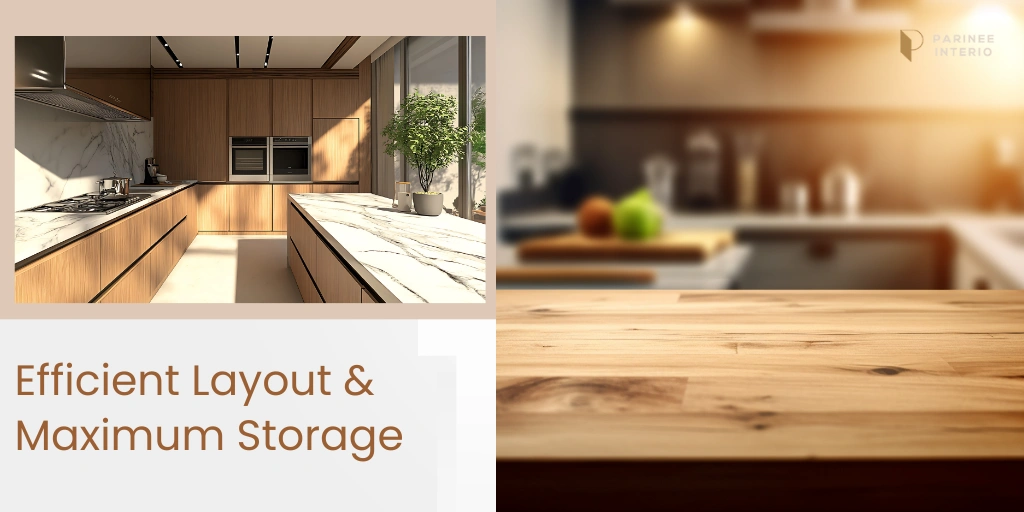
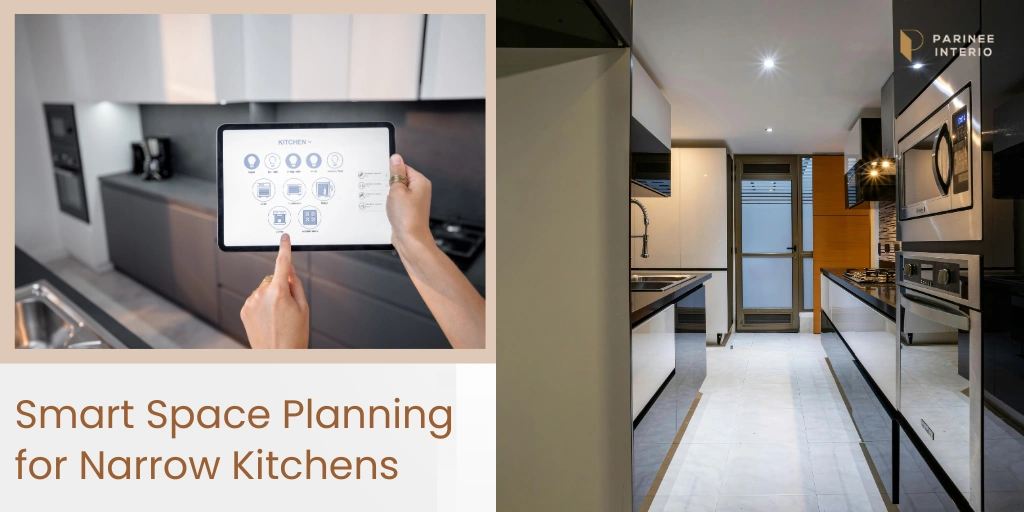
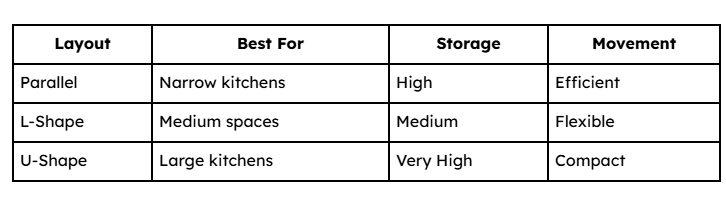
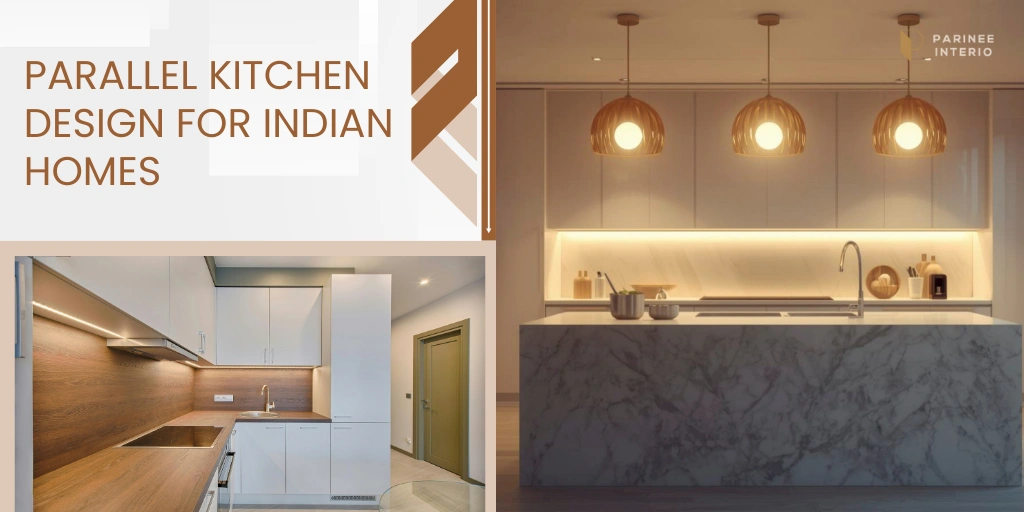
Parallel Kitchen Interior Design Ideas for Indian Homes Post author:Sarvesh Rane Post published:January 21, 2026 Post category:Kitchen Interior Post comments:0 Comments If your kitchen feels narrow and movement inside it feels awkward, you’re not alone. In many Indian apartments, especially in cities, kitchens are long, tight, and boxed between walls. Two people inside at the same time often feels like a traffic jam.This is where the parallel kitchen design in India comes into the picture. Many homeowners consider it, but very few truly understand how it works, when it works, and when it becomes frustrating. Let’s break it down properly. What Is a Parallel Kitchen Layout? Simple Explanation of the Layout A parallel kitchen has two straight counters facing each other, with a walking space in between.Basic structure:One counter on each sideA central aisle for movementWork happens on both sidesIdeal aisle width:Minimum: around 4 feetComfortable: closer to 4.5–5 feetThis setup defines a parallel kitchen layout that focuses on efficiency. Why Parallel Kitchens Are Common in Indian Homes Parallel kitchens didn’t become popular by accident.They are common because:Many apartments are designed with long, narrow kitchensThis layout uses width efficientlyStorage can be added on both sidesThat’s why you see it so often in Indian kitchen interiors, especially apartments. Advantages of Parallel Kitchen Layouts Efficient Workflow for Daily Indian Cooking This layout supports daily Indian cooking surprisingly well.How it helps:Cooking, washing, and prep zones stay closeLess walking back and forthEverything stays within reachThese are real advantages of parallel kitchen layouts for frequent cooking households. Maximum Storage in Limited Width Storage is where this layout really shines.Why storage improves:Cabinets on both sidesBetter division of groceries, utensils, appliancesLess clutter on countersThis makes it one of the best narrow kitchen design ideas for Indian homes. Easy to Maintain and Keep Clean Parallel kitchens are easier to control.Practical benefits:Less open exposureOil and steam stay containedEasier daily cleaningThat’s why parallel kitchen design India works well for homes with regular cooking. When a Parallel Kitchen Works Best (And When It Doesn’t) Homes Where Parallel Kitchens Work Well This layout performs best in:Narrow kitchen spacesSeparate kitchen rooms (not fully open kitchens)Homes with regular cookingThese situations suit parallel kitchen design for apartments perfectly. Situations Where This Layout May Not Be Ideal Parallel kitchens struggle when:The aisle becomes too narrowVentilation is poorToo many tall cabinets block airflowIn such cases, frustration builds quickly. Being honest about this avoids future regret. Free Consultation Ready to Transform Your Space? Talk to our expert designer today — no cost, no commitment. Just real ideas for your dream interior. Get FREE Consultation → 🔒 Your details are safe with us. No spam. How to Design a Parallel Kitchen for Indian Homes Ideal Distance Between Counters Spacing decides whether this kitchen feels smooth or stressful.General guidance:Too narrow: movement becomes difficultToo wide: efficiency dropsBalanced spacing is key when learning how to design a parallel kitchen. Zoning the Kitchen for Better Workflow Good parallel kitchens follow zoning.Simple zoning method:Cooking zone (hob and chimney)Washing zone (sink and dishwasher)Storage zone (dry ration, utensils)This keeps the parallel kitchen layout logical and comfortable. Storage Planning for Indian Cooking Needs Indian kitchens need serious storage.Plan space for:Dry ration containersPressure cookers and kadaisMixers, grinders, appliancesA well-planned modular parallel kitchen handles this smoothly. Best Color Combinations for Parallel Kitchens Light Colors to Avoid a Boxed-In Feel Parallel kitchens can feel closed if colours are wrong.Best choices:WhitesLight greysSoft beige shadesThese reflect light and reduce the boxed-in feeling, making them the best colors for parallel kitchen spaces. Two-Tone Color Concepts Two-tone designs work very well here.Common approach:Light shades on upper cabinetsSlightly darker shades belowThis keeps balance without visual clutter, a common theme in Indian kitchen interiors. Finishes That Work Well in Narrow Kitchens Finishes matter more than people think.What works best:Matte finishes: less reflection, easy maintenanceSoft-sheen laminates: practical and cleanHigh-gloss everywhere often becomes tiring in narrow spaces. Common Mistakes to Avoid in Parallel Kitchen Design Making the aisle too narrowOverloading both sides with cabinetsIgnoring lighting and ventilationThese mistakes are the most common causes of regret in parallel kitchen design India homes. Parallel Kitchen vs Other Layouts (Quick Comparison) This comparison helps clarify whether the parallel kitchen layout suits your space. Not Sure If a Parallel Kitchen Is Right for You? Quick Layout Selection Help Choosing a layout doesn’t need guesswork.This quick quiz:Matches layout to kitchen sizeConsiders cooking habitsTakes only a few minutes Final Thoughts on Parallel Kitchen Design A parallel kitchen is not a compromise layout. When planned properly, it becomes one of the most efficient kitchens for Indian homes.The right layout depends on how you cook, not just how your kitchen looks. FAQs What are the advantages of parallel kitchens? They offer efficient workflow, high storage, and are easy to maintain, especially for narrow kitchens. How to design a parallel kitchen? Focus on correct aisle width, proper zoning, and storage planning based on daily cooking needs. What colors work best for parallel layouts? Light neutrals and two-tone combinations work best to avoid a cramped feel. You Might Also Like The Cultural Roots Behind Modern Indian Kitchen Designs January 24, 2026 L-Shaped Kitchen Design Ideas for Indian Homes January 22, 2026 Top Kitchen Interior Design Trends for 2026 in India January 21, 2026 Leave a Reply Cancel replyCommentEnter your name or username to comment Enter your email address to comment Enter your website URL (optional) Save my name, email, and website in this browser for the next time I comment.
 + 91 8108850334
info@parineeinterio.in
+ 91 8108850334
info@parineeinterio.in