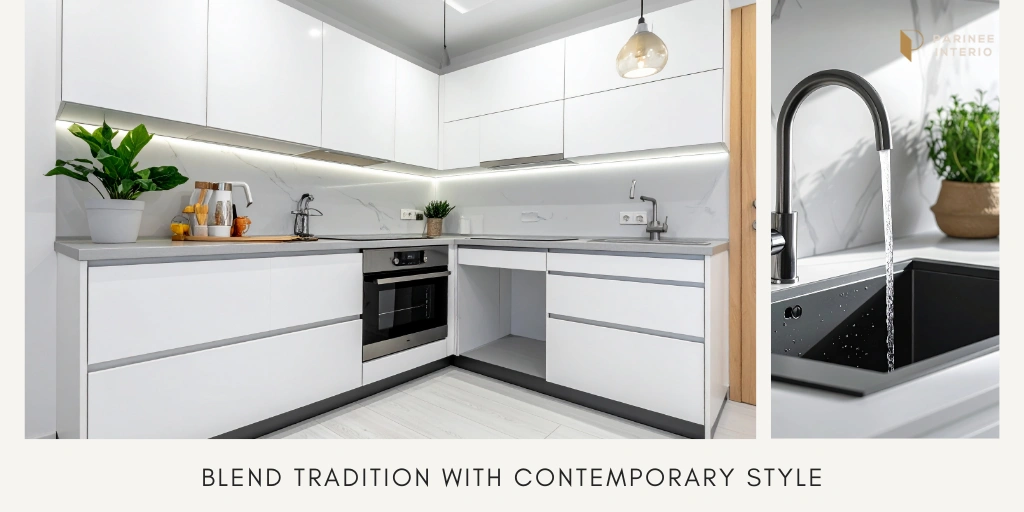
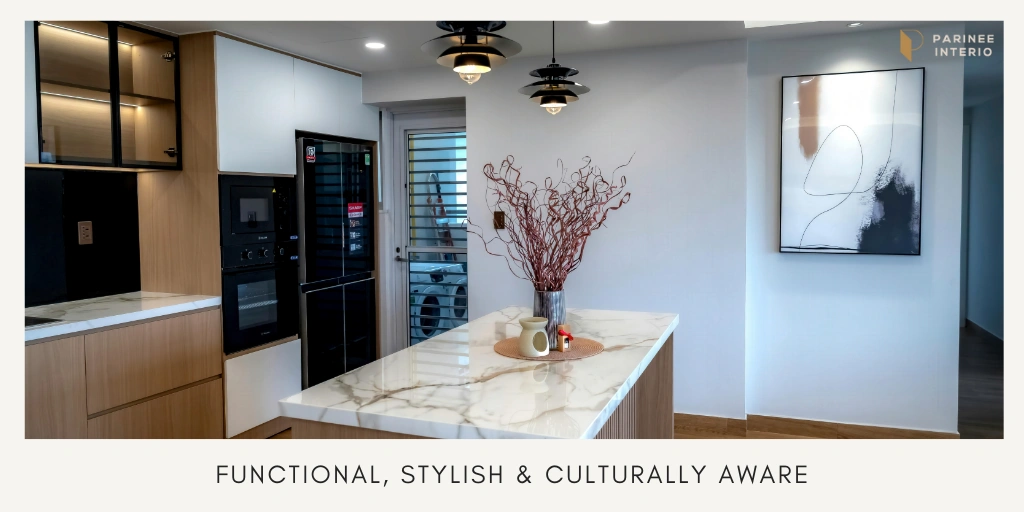
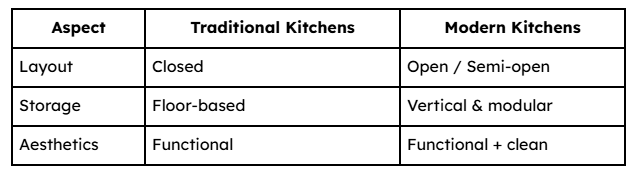
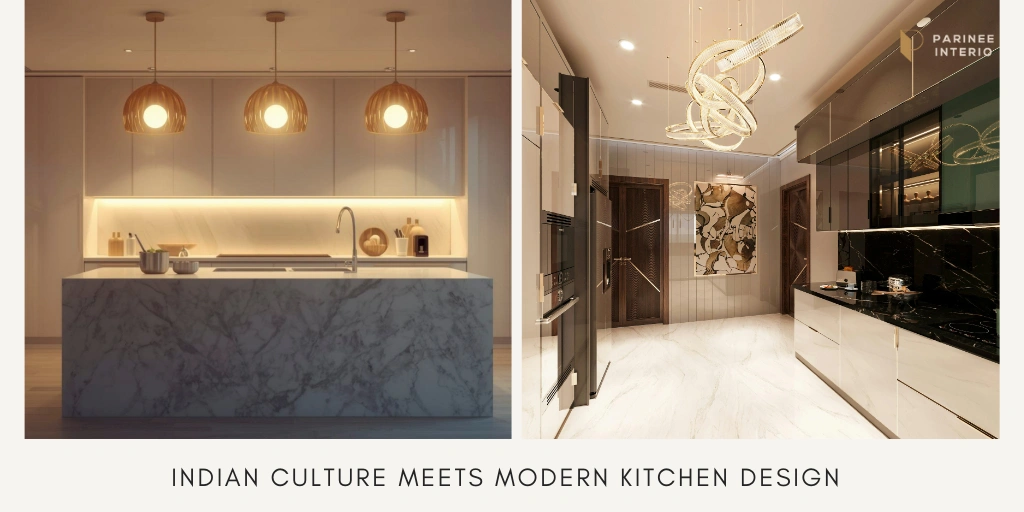
The Cultural Roots Behind Modern Indian Kitchen Designs Post author:Sarvesh Rane Post published:January 24, 2026 Post category:Kitchen Interior Post comments:0 Comments In most Indian homes, the kitchen has never been “just another room.” It’s where the day begins with chai, where lunch is planned, where evenings slow down, and where festivals quietly take shape. Long before design terms entered the picture, kitchens were already full of meaning.What’s interesting is that even today, when kitchens look clean, modular, and modern, many of them still carry these traditions quietly. The finishes may have changed, but the thinking behind the space often hasn’t.That’s why Indian culture kitchen designs feel different, even when they look contemporary. Why Kitchens Hold a Special Place in Indian Homes Kitchens as More Than Functional Spaces In Indian households, kitchens are lived-in spaces.They carry:Daily routines and habitsEmotional comfortFamily conversations and shared workQuiet rituals that repeat every dayThis emotional role strongly influences Indian home kitchen design, whether people realise it or not. How This Mindset Shapes Design Choices Because the kitchen is respected, it’s rarely treated casually.You’ll often see:Thoughtful planning before changesReluctance to disturb what already worksLayouts that prioritise comfort over appearanceThis cultural mindset forms the base of cultural kitchen design India still follows. How Indian Culture Influences Kitchen Layouts Privacy and Separation in Cooking Spaces Many Indian homes still prefer some level of separation.Reasons include:Managing cooking smellsKeeping rituals undisturbedAllowing daily routines to happen quietlyThis explains how culture affects kitchen layout decisions, especially around closed and semi-closed kitchens. Cooking Styles and Workflow Patterns Indian cooking rarely follows a single-step process.It often involves:Multiple dishes prepared togetherParallel tasks like chopping, boiling, temperingRepeated movement between zonesThat’s why Indian kitchen layout ideas focus on flow and efficiency, not minimalism. Traditional Indian Kitchens vs Modern Indian Kitchens What Defined Traditional Indian Kitchens Traditional kitchens were shaped by routine and availability.They usually had:Closed layoutsFloor-level storageSpace for grinding, washing, and prepSeparate zones for different tasksThis formed the foundation of traditional Indian kitchen design. How Modern Kitchens Have Evolved Modern kitchens respond to lifestyle changes.They now include:Modular and vertical storageBuilt-in appliancesCleaner layoutsBetter lighting and ventilationThese changes define modern Indian kitchens, without fully letting go of tradition. Traditional vs Modern Kitchen Comparison Cultural Storage Needs Unique to Indian Kitchens Storage for Grains, Spices, and Bulk Items Indian kitchens plan for volume.Storage is needed for:Rice, wheat, pulsesSpices bought in quantitySeasonal itemsThese cultural storage needs Indian kitchens have don’t exist in many other cultures. Utensils and Cookware Variety Most Indian homes use:Multiple pots and pansSeparate vessels for cooking and servingTools for specific dishesStorage must reflect this variety, not hide it. Rituals and Beliefs That Influence Kitchen Design Daily Rituals and Cooking Practices Kitchens support more than meals.They support:Morning routinesPrayer-related practicesFestive cooking that happens only a few times a yearThis shapes Indian kitchen design based on lifestyle, not trends. Beliefs That Affect Layout and Orientation Many families consider:Placement preferencesClear zonesCleanliness and orderDesign adapts to belief systems quietly, without needing explanation. Multi-Generational Living and Kitchen Design Kitchens Used by Multiple Age Groups Indian kitchens are rarely used by one person alone.They often serve:EldersAdultsYounger family membersThis reality strongly influences Indian culture kitchen designs. Designing for Flexibility and Comfort Good kitchens allow:Comfortable counter heightsEasy-to-reach storageSpace to work togetherFlexibility matters more than visual perfection. How Modern Indian Kitchens Balance Culture and Convenience Keeping Cultural Needs Within Modern Designs Modern kitchens quietly adjust for tradition.Examples include:Extra storage for bulk itemsLayouts that support heavy cookingZones that allow multiple people to workThese compromises define real modern Indian kitchens. Why Cultural Understanding Matters in Kitchen Design Designs copied blindly often fail.When culture is ignored:Kitchens feel uncomfortableStorage feels insufficientDaily routines become stressfulUnderstanding how people live is more important than following trends. Get Inspired by Culturally Thoughtful Kitchen Designs Cultural Design Inspiration eBook This eBook showcases:Kitchens that respect traditionDesigns that adapt to modern lifeReal examples from Indian homesIt’s useful for Indian homeowners and anyone curious about culturally grounded design.Download the cultural kitchen design inspiration eBook to see how tradition and modern living come together in Indian homes. Download The Cultural Designs Final Thoughts on Culture-Led Kitchen Design Good kitchen design doesn’t start with styles or finishes. It starts with understanding habits.Culture doesn’t disappear when homes modernise—it adapts.The most meaningful kitchens reflect the lives lived inside them. FAQs How does culture affect kitchen layout? Culture influences privacy, workflow, storage needs, and how spaces are used daily. Traditional vs modern Indian kitchens – what’s the difference? Traditional kitchens focused on routine and floor-level storage, while modern kitchens use vertical storage and cleaner layouts, while still supporting Indian cooking habits. What are cultural storage needs in Indian kitchens? Bulk grain storage, spice organisation, and space for multiple utensils and cookware. You Might Also Like How to Transform Your Kitchen into a Dream Space in Mumbai January 25, 2026 Trending Kitchen Color Combinations for Indian Homes in 2026 January 23, 2026 Parallel Kitchen Interior Design Ideas for Indian Homes January 21, 2026 Leave a Reply Cancel replyCommentEnter your name or username to comment Enter your email address to comment Enter your website URL (optional) Save my name, email, and website in this browser for the next time I comment.
 + 91 8108850334
info@parineeinterio.in
+ 91 8108850334
info@parineeinterio.in