+ 91 8108850334
info@parineeinterio.in
+ 91 8108850334
info@parineeinterio.in



Room-Wise Interior Budgeting Guide: Where Should You Spend More and Where Can You Save?
You know what surprises most homeowners?
It is not the final interior cost.
It is the realization that they spent money in the wrong places.
Many families start with a clear budget. They feel confident. They approve decorative wall panels, fancy lights, designer wallpapers, and expensive décor pieces.
A few months later, reality hits.
The wardrobes need more storage.
The kitchen lacks enough drawers.
The electrical points fall short.
The utility area feels cramped.
And suddenly, the budget has already disappeared.
This happens in homes of every size. Whether you own a 1 BHK, 2 BHK, 3 BHK, villa, or luxury apartment, the biggest challenge is not the budget itself.
The real challenge is where you put that money.
If you have ever asked:
- How should I divide my interior budget?
- Which room deserves the biggest budget?
- Where should I spend more on interiors?
- How can I avoid overspending during my home interior project?
- How much should I allocate for each room?
This guide will help you make smarter decisions before you hire an interior designer, contractor, or carpenter.
The goal is simple.
Make every rupee work harder for your family.
The Biggest Budgeting Mistake Homeowners Make
Most homeowners do not run out of money because the project costs too much.
They run out of money because they allocate money incorrectly.
Spending Based on Visibility Instead of Usage
Many people put more money into areas that guests can see.
The living room gets expensive décor.
The entrance gets decorative features.
Feature walls receive special attention.
Meanwhile, the kitchen struggles with storage.
Bedrooms lack wardrobe space.
Bathrooms miss practical upgrades.
The rooms you show guests are not always the rooms that deserve the biggest budget.
Why High-Impact Areas Deserve More Investment
Ask yourself a simple question.
Which spaces does your family use every day?
Usually:
- Kitchen
- Bedrooms
- Wardrobes
- Bathrooms
- Utility areas
These spaces affect daily comfort far more than decorative corners.
A well-designed wardrobe serves you every single day.
A beautiful wall panel serves you occasionally.
That difference matters.
How Emotional Decisions Distort Budgets
Many homeowners fall in love with Pinterest images and Instagram reels.
There is nothing wrong with inspiration.
The problem starts when emotions control spending decisions.
A practical budget asks:
- Will this improve daily life?
- Will this solve a problem?
- Will this add long-term value?
If the answer is no, that item may not deserve a large share of the budget.
Not Sure How to Divide Your Interior Budget?
One of the biggest mistakes homeowners make is overspending in one area and compromising in another. Get a personalized room-wise budget plan based on your apartment size, family requirements, lifestyle priorities, and future needs.
Kitchen Budget Planning
Bedroom & Wardrobe Budget Allocation
Storage Planning Recommendations
Living Room & Décor Budget Guidance
Future-Proof Planning Advice
Personalized Room-Wise Budget Split
Before You Allocate Budget, Define Your Home’s Priorities
Before you assign money to rooms, identify what matters most to your family.
Two homes with the same budget may need completely different allocation strategies.
What Matters Most?
Rate each area from 1 to 10.

| Priority |
|---|
| Storage |
| Kitchen Functionality |
| Family Comfort |
| Work From Home Requirements |
| Guest Entertainment |
| Future Flexibility |
Why Every Family Has a Different Budget Allocation Strategy
A family with two children may need larger wardrobes and study spaces.
A couple who loves cooking may invest more in the kitchen.
A professional who works from home may allocate more money to a home office.
There is no universal formula.
The best budget reflects your family’s real lifestyle.
Room #1: Kitchen – Usually the Highest-Value Investment
If a homeowner asks me:
“Which room deserves the biggest interior budget?”
My answer is usually the kitchen.
Why Kitchens Consume a Large Portion of the Budget
A kitchen combines:
- Storage
- Hardware
- Countertops
- Electrical work
- Appliances
- Plumbing
Few rooms have this many components.
That is why the kitchen often takes the largest share of interior spending.
Where Spending More Makes Sense
Storage
More organized storage means less clutter.
Hardware
Good hinges, channels, and drawer systems last much longer.
Workflow Efficiency
A kitchen should make daily work easier.
A smart layout saves time every day.
Where Overspending Often Happens
Many homeowners spend heavily on:
- Trend-based finishes
- Fancy accessories
- Premium features they rarely use
Instead, focus on function first.
A practical kitchen almost always beats a fashionable kitchen.
Room #2: Bedrooms – Invest in Storage Before Aesthetics
A bedroom should help you rest, stay organized, and store belongings efficiently.
Wardrobes
Wardrobes often provide one of the highest returns on interior investment.
More storage means:
- Better organization
- Less clutter
- Easier maintenance
Storage Solutions
Think beyond hanging space.
Include:
- Drawers
- Shelves
- Accessories storage
- Seasonal storage
Lighting
Good lighting improves comfort without a huge increase in budget.
Future Flexibility
Your storage needs may grow over time.
Leave room for future requirements.
What Can Be Added Later
Many decorative upgrades can wait.
For example:
- Artwork
- Decorative panels
- Accent décor
- Luxury accessories
Storage should come first.
Room #3: Living Room – Focus on Function Before Decoration
The living room often becomes the biggest budget trap.
| Common Spending Area | Higher Value Alternative |
|---|---|
| Decorative Features | Better Storage |
| Expensive Styling | Flexible Layout |
| Statement Pieces | Functional Furniture |
| Luxury Décor | Practical Seating |
Where Living Room Budgets Often Get Wasted
Common examples include:
- Excessive wall treatments
- Oversized décor
- Unnecessary designer features
Instead, focus on:
- Comfortable seating
- Storage
- Flexible furniture
- Good lighting
These improvements add value every day.

Are You Investing in the Right Areas of Your Home?
Many homeowners spend too much on visible spaces and underinvest in areas that impact daily comfort and functionality. Get expert guidance on where your interior budget should actually go.
Which Rooms Deserve More Investment
Where Savings Make Sense
Storage vs Décor Prioritization
Space Planning Recommendations
Budget Allocation Best Practices
Avoid Common Interior Budget Mistakes
Room #4: Children’s Room – Budget for Adaptability
Children grow fast.
Their rooms should adapt with them.
Early Childhood Needs
- Safety
- Easy access storage
- Open floor space
School-Age Requirements
- Study area
- Bookshelves
- Better organization
Teenage Requirements
- Privacy
- Larger storage
- Personal workspace
Why Permanent Child-Specific Designs Can Be Expensive
Many families spend heavily on themed interiors.
A superhero room may look great today.
A few years later, it may require a complete redesign.
Flexible designs often save money in the long run.
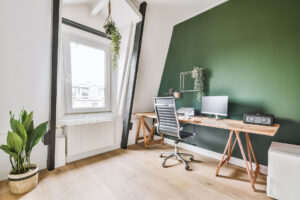
Room #5: Home Office or Study Space
Many homeowners now work remotely at least part of the week.
Essential Investments
- Ergonomic chair
- Practical desk
- Good lighting
Productivity-Focused Spending
A productive workspace can improve focus every day.
Storage Requirements
Documents, devices, and accessories need proper storage.
What Can Wait
Luxury décor can come later.
Comfort and functionality should come first.
Room #6: Bathrooms – Small Space, Big Impact
Bathrooms may occupy less space, but they influence daily comfort significantly.
Functional Upgrades
Focus on:
- Better fixtures
- Water efficiency
- Easy maintenance
Safety Features
Never compromise on:
- Anti-skid flooring
- Safe access
- Proper ventilation
Storage Opportunities
Even small bathrooms benefit from smart storage.
Material Selection
Choose materials that balance durability and maintenance.
Room #7: Utility Areas and Hidden Spaces
Some of the most valuable interior investments are in spaces guests never see.
Utility Storage
A dedicated storage area reduces clutter throughout the home.
Laundry Zones
A practical laundry setup improves daily routines.
Cleaning Supply Storage
Keep household essentials organized and accessible.
Household Organization
Hidden storage often creates more value than visible decoration.
Many homeowners appreciate this only after they move into the home.
Sample Budget Allocation Framework
Many homeowners ask:
“I have a fixed budget. How much should each room get?”
The answer depends on your lifestyle.
Still, the table below provides a practical starting point.
| Area | Priority Level | Suggested Budget Share |
|---|---|---|
| Kitchen | High | 25% – 30% |
| Bedrooms & Wardrobes | High | 25% – 30% |
| Living Room | Medium | 15% – 20% |
| Bathrooms | Medium | 10% – 15% |
| Home Office | Variable | 5% – 10% |
| Utility Areas | Medium | 5% – 10% |
| Decorative Elements | Lower | 5% – 10% |
How This Changes Based on Family Type
A family with children may allocate more toward storage.
A work-from-home professional may increase the office budget.
A frequent entertainer may allocate more toward living spaces.
Use the framework as a guide, not a fixed rule.
Not Sure How Your Interior Budget Should Be Distributed?
Every home is different. Your apartment layout, family size, lifestyle, storage requirements, and future plans all influence where your interior budget should go. Get a customized room-wise allocation strategy before making expensive decisions.
Room-Wise Budget Allocation
Planning Based on Apartment Layout
Family Lifestyle Assessment
Storage & Functionality Prioritization
Future Expansion Considerations
Personalized Interior Investment Strategy
Where Smart Homeowners Save Money
Saving money does not mean reducing quality.
It means spending carefully.
Decorative Elements
Many decorative items can come later.
Trend-Based Features
Trends change quickly.
Timeless designs usually provide better value.
Temporary Design Choices
Avoid major spending on features that may feel outdated in a few years.
Items Easily Added Later
Examples include:
- Artwork
- Decorative lighting
- Accent décor
- Accessories
These upgrades remain available after move-in.
Where Smart Homeowners Spend More Money
This is where experienced homeowners usually invest more.
Storage Solutions
Storage affects daily life.
Kitchen Functionality
A better kitchen improves convenience every day.
Hardware & Mechanisms
Good hardware increases lifespan.
Electrical Planning
Extra points added early often cost less than changes later.
Long-Term Use Areas
Spend more where your family spends the most time.
A Room-Wise Budget Planning Checklist
Before finalizing your interior budget, review this checklist.
□ Kitchen priorities defined
□ Storage requirements finalized
□ Wardrobes planned
□ Home office requirements identified
□ Bathroom upgrades prioritized
□ Utility areas included
□ Decorative spending controlled
□ Future family requirements considered
□ Contingency budget allocated
□ Lifestyle priorities documented
□ Daily-use spaces prioritized
□ Long-term value considered
Which room should receive the biggest interior budget?
In most homes, the kitchen receives the largest share because it combines storage, hardware, electrical work, countertops, and functionality requirements.
How should I divide my interior budget?
Start with high-use spaces such as the kitchen, wardrobes, bedrooms, and bathrooms. Allocate remaining funds to living areas and décor.
Where do homeowners usually overspend?
Most homeowners overspend on decorative features, trend-based elements, and statement pieces that add limited daily value.
What can I postpone to a later phase?
Artwork, decorative lighting, wall décor, accent furniture, and luxury accessories can usually wait.
Should I prioritize storage or décor?
Storage almost always creates more long-term value than décor.
How much contingency budget should I keep?
Most homeowners should reserve 5% to 10% of the total budget for unexpected expenses.
What rooms deliver the most value?
Kitchens, wardrobes, bedrooms, bathrooms, and utility areas generally provide the highest long-term value.
Is it better to complete all rooms together?
Not always. If budget is limited, complete essential spaces first and decorative upgrades later.
How much budget should wardrobes receive?
Wardrobes often consume a significant share of bedroom budgets because they affect organization and storage capacity.
Can I reduce costs without affecting quality?
Yes. Focus on smart material choices, avoid trend-based spending, and prioritize functionality over decoration.
Is the living room more important than the kitchen?
For most families, the kitchen has a bigger impact on daily life than the living room.
Should I spend more on furniture or built-in storage?
Built-in storage usually provides better long-term value because it improves organization and space utilization every day.
Before You Approve Your Interior Budget, Ask Yourself This
If I visit your home five years from today, what will matter more?
The decorative wall panel that impressed visitors during the first month?
Or the wardrobe that still keeps your belongings organized every single day?
The answer usually becomes very clear.
The most successful interior projects are not the ones with the biggest budgets.
They are the homes where every rupee has a purpose.
When you prioritize functionality, storage, comfort, and daily convenience before decoration, your home continues to work for your family long after the excitement of move-in day fades.
That is what smart room-wise budgeting is really about.
Not spending less.
Spending wisely.
Room-Wise Interior Budget Planner
Stop guessing where your interior budget should go. Download our practical planning toolkit and create a clear room-by-room budget before speaking to designers or contractors.
Room Budget Calculator
Priority Allocation Worksheet
Cost Comparison Sheet
Budget Optimization Framework
Family Needs Assessment
Interior Spending Tracker