+ 91 8108850334
info@parineeinterio.in
+ 91 8108850334
info@parineeinterio.in

Most homeowners think interior design starts with choosing colors, wardrobes, or a modular kitchen.
It doesn’t.
In fact, the success of your entire interior project is usually decided before any design is created.
Because once execution begins, every change becomes:
- More expensive
- More stressful
- More time-consuming
A wardrobe adjustment that takes five minutes during planning can take days after execution starts.
An electrical point that seems insignificant today can become a major inconvenience after move-in.
That’s why many interior regrets don’t happen because of poor workmanship.
They happen because important decisions were never made early enough.
If you’ve recently received possession—or you’re about to—this guide will help you prepare before the first design meeting, the first quotation, or the first carpenter enters your home.
Think of it as a pre-interior planning workshop for homeowners.
Before Planning Interiors, Plan Your Life Inside the Home
Before discussing kitchens, wardrobes, or finishes, ask yourself one important question.
How Will My Family Actually Live in This Home for the Next 5–10 Years?
Most homeowners plan rooms.
Very few plan lifestyles.
And that’s where problems begin.
A beautiful home can still feel inconvenient if it doesn’t support the way your family actually lives.
Why Lifestyle Decisions Affect Every Design Decision
Consider these examples:
- Someone works from home three days a week.
- Children need study areas.
- Parents may move in later.
- Guests stay frequently.
- Storage needs continue growing.
Each of these decisions affects:
- Room layouts
- Furniture planning
- Storage requirements
- Electrical planning
- Budget allocation
| Question | Why It Matters |
|---|---|
| Who Will Live Here? | Room Planning |
| Are Children Expected in the Future? | Storage and Flexibility |
| Does Anyone Work From Home? | Workspace Requirements |
| Do Guests Stay Frequently? | Layout Planning |
| Will Parents Move In Later? | Accessibility and Comfort |
| Is This a Long-Term Home? | Investment Decisions |
A Simple Reminder
Design your home around your life, not around Pinterest images.
The most successful homes solve daily problems.
They don’t just look attractive in photographs.
Will Your Interiors Support Your Family’s Lifestyle?
Great interiors are built around how your family actually lives. Get expert guidance on translating your daily habits, future plans, storage needs, work routines, and lifestyle priorities into a practical interior strategy.
Family Lifestyle Assessment
Storage & Organization Planning
Future Family Needs Planning
Space Utilization Recommendations
Work, Study & Daily Routine Planning
Personalized Interior Strategy
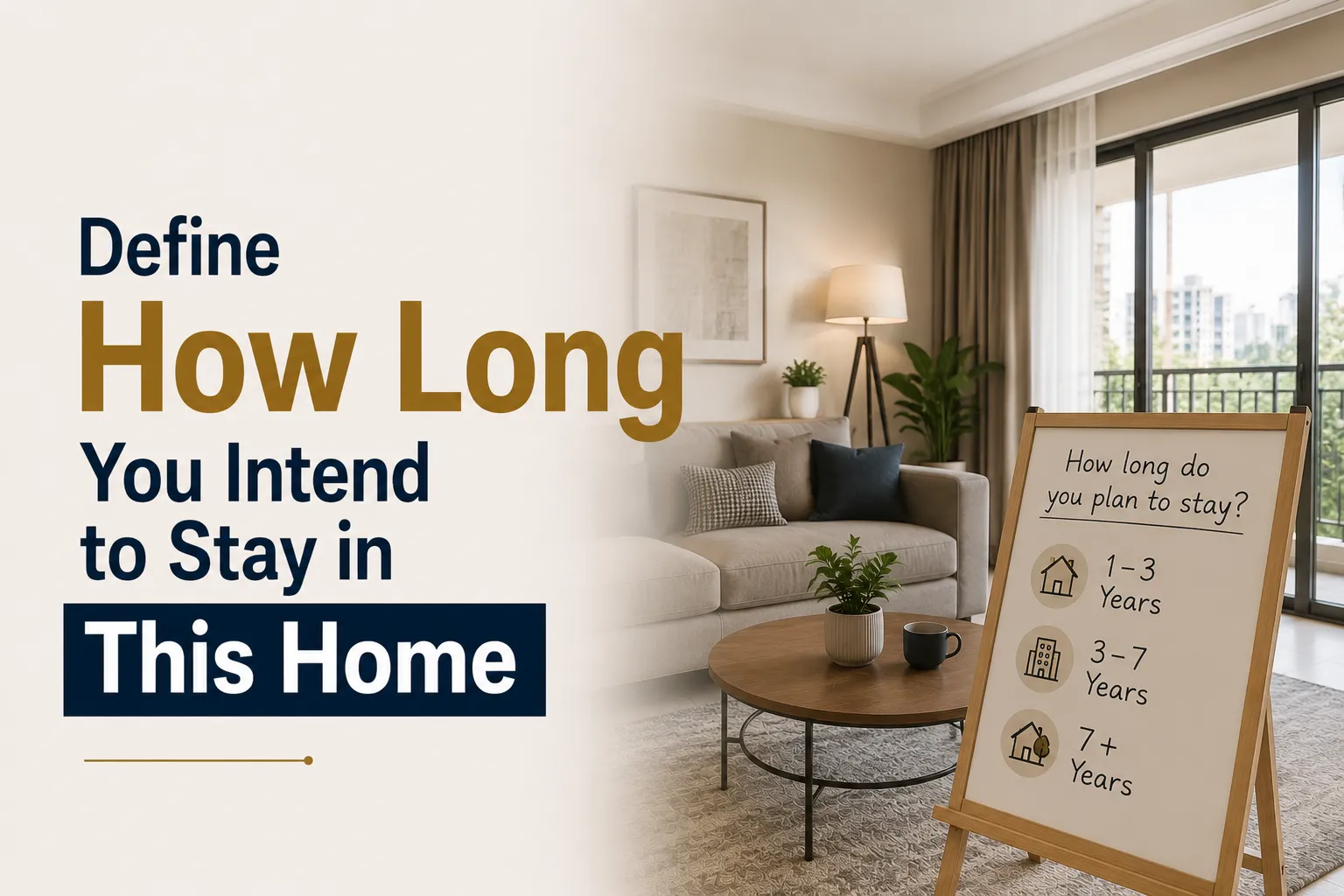
Plan #1: Define How Long You Intend to Stay in This Home
This decision affects almost every budget choice you make.
| How Long You’ll Stay | Interior Strategy |
|---|---|
| 3–5 Years | Functionality First |
| 5–10 Years | Balanced Investment |
| 10+ Years | Long-Term Value Focus |
Why a Home You Plan to Leave in 3 Years Shouldn’t Be Designed Like a Forever Home
A home you’ll leave in a few years may not need premium upgrades everywhere.
A home where you expect to spend the next decade is different.
Long-term homes often justify:
- Better storage
- Better hardware
- Better planning
- More flexibility
The longer you stay, the more important long-term functionality becomes.
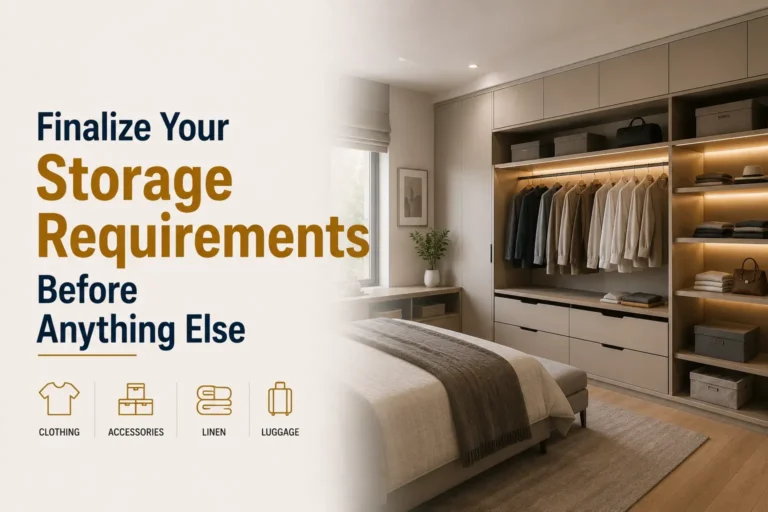
Plan #2: Finalize Your Storage Requirements Before Anything Else
If there is one regret we hear repeatedly from homeowners, it’s this:
“We should have planned more storage.”
The Storage Problems Most Families Notice Within the First Year
When the home is empty, storage feels sufficient.
After move-in:
- Clothes increase
- Children’s belongings increase
- Household items accumulate
The home starts feeling smaller.
Why Kitchen Storage Always Feels Smaller After Move-In
Most families underestimate kitchen requirements.
Over time:
- Appliances increase
- Groceries increase
- Containers multiply
The kitchen starts feeling crowded.
The Utility Area Mistake That Creates Clutter Across the Entire Home
When utility storage is missing, items spread throughout the house.
Examples:
- Cleaning supplies
- Laundry items
- Tools
- Household essentials
Where Will Festival Items, Luggage, and Winter Clothes Go?
Many homeowners forget these completely.
Yet these items require significant storage space.
Why Today’s Storage Needs Usually Look Very Different 5 Years Later
Storage should support future life—not just current life.
Plan #3: Decide Which Rooms Matter Most
Not every room deserves the same budget.
Not every room deserves the same attention.
Why Most Homeowners Spend Too Much on Some Rooms and Too Little on Others
Many families spend heavily on visible spaces.
Then struggle with:
- Storage shortages
- Kitchen limitations
- Wardrobe compromises
The rooms you use daily often deserve more investment than the rooms guests occasionally see.
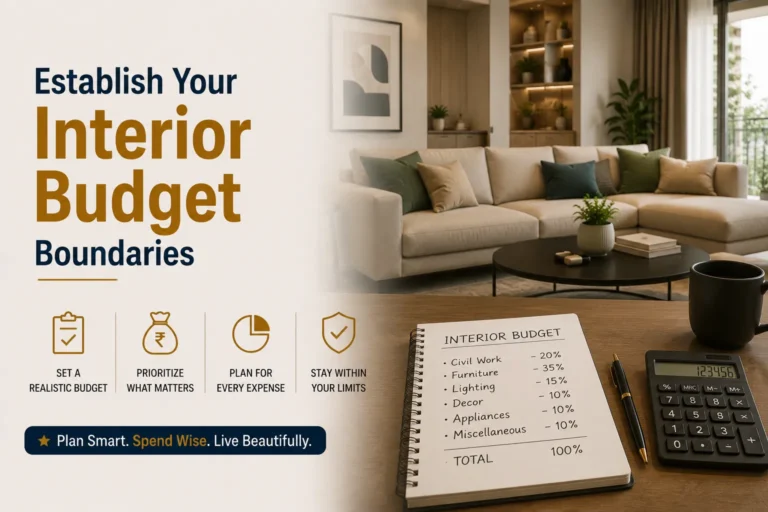
Plan #4: Establish Your Interior Budget Boundaries
A budget is not a limitation.
It’s a decision-making tool.
The Items Most Families Should Never Compromise On
Examples include:
- Storage
- Kitchen functionality
- Quality hardware
- Essential lighting
- Electrical planning
These affect daily life for years.
The Features That Can Wait Until Later
Examples include:
- Decorative accessories
- Artwork
- Accent décor
- Styling upgrades
These can always be added later.
The Upgrades That Improve Comfort but Increase Costs
Examples include:
- Premium finishes
- Smart home systems
- Designer lighting
- Luxury materials
The Budget Category Most Homeowners Forget to Keep Aside
Unexpected changes happen.
Most homeowners should keep an additional contingency budget.
| Category | Suggested Approach |
|---|---|
| Essential Investments | Highest Priority |
| Comfort Upgrades | Medium Priority |
| Luxury Features | Lower Priority |
| Contingency Reserve | Always Required |

Not Sure Which Interior Features Deserve Your Investment?
Every upgrade doesn’t need to happen on day one. Learn which interior features deserve immediate investment and which upgrades can be planned for a later phase based on your budget, lifestyle, and long-term goals.
Must-Have vs Nice-to-Have Planning
Budget & Scope Prioritization
Where to Invest for Maximum Value
Which Upgrades Can Wait
Future Expansion Planning
Personalized Interior Strategy
Plan #5: Determine Your Move-In Timeline
Your move-in date affects far more decisions than most homeowners realize.
What Happens When You Need to Move In Immediately
Common challenges include:
- Faster decision-making
- Limited customization
- Higher pressure
The Timeline Many Homeowners Find Most Comfortable
Many families benefit from:
- 6–8 weeks for interiors
- Final inspections
- Cleaning
- Move-in preparation
Why Extra Time Creates Better Interior Decisions
Rushed decisions often create expensive corrections later.
A little extra time often improves outcomes significantly.
How Your Move-In Date Influences Almost Every Interior Decision
Your timeline affects:
- Material selection
- Design complexity
- Budget flexibility
- Execution planning
Plan #6: Create a Furniture and Appliance Strategy
Furniture mistakes are among the most expensive interior mistakes.
The Furniture You Should Measure Before Interior Planning Starts
Examples:
- Existing sofas
- Beds
- Dining tables
- Study desks
Measurements affect layouts.
The Purchases That Should Be Planned Before Layouts Are Finalized
Many homeowners buy furniture too early.
Then discover it doesn’t fit properly.
The Appliances That Influence Storage, Electrical, and Kitchen Design
Examples include:
- Refrigerators
- Dishwashers
- Washing machines
- Ovens
These appliances affect multiple design decisions.
The Furniture Purchases Many Homeowners Regret Rushing
Large furniture often creates:
- Layout conflicts
- Circulation problems
- Space constraints
Plan #7: Identify Electrical and Technology Needs Early
Electrical planning becomes difficult after execution begins.
Why Work-From-Home Requirements Change Electrical Planning
Workstations need:
- Power points
- Charging access
- Lighting
The Charging Points Most Families Wish They Had Added Earlier
Common locations include:
- Bedsides
- Living rooms
- Study areas
The Technology Upgrades That Are Easier Before Execution Starts
Examples include:
- Smart switches
- Home automation
- Security systems
Why Router Placement Affects More Than Just Internet Speed
Router placement affects:
- Connectivity
- Productivity
- Entertainment
The Entertainment Setup Decisions That Are Difficult to Change Later
TV units, speakers, and wiring often require advance planning.
Plan #8: Clarify Your Design Preferences
Many projects slow down because homeowners struggle to explain what they want.
The Design Examples That Help Interior Designers Understand You Faster
Collect examples you genuinely like.
Not because they’re trendy.
Because they suit your lifestyle.
The Styles You Never Want To See In Your Home
Knowing what you dislike is equally valuable.
The Daily Frustrations Your Interiors Should Eliminate
Examples include:
- Clutter
- Lack of storage
- Poor lighting
- Inefficient layouts
The Features You’ll Appreciate Every Day After Move-In
Focus on features that improve daily life.
Not just aesthetics.
Need a Clear Interior Plan Before Execution Begins?
Work through your family requirements, priorities, timelines, budget considerations, and design goals with an expert. Create a practical interior strategy before making decisions on layouts, materials, quotations, or execution.
Family Requirement Assessment
Priority & Lifestyle Planning
Storage & Space Utilization Guidance
Budget & Scope Recommendations
Execution Timeline Planning
Personalized Interior Roadmap
Plan #9: Decide What Must Be Finished Before Moving In
Not everything needs completion before occupancy.
But some things absolutely should.
| Complete Before Move-In | Can Be Added Later |
|---|---|
| Modular Kitchen | Decorative Styling |
| Wardrobes | Artwork |
| Electrical Changes | Accessories |
| Storage Units | Accent Features |
Why These Priorities Matter
The goal is simple.
Move into a functional home first.
Add enhancements later.
Plan #10: Prepare for Future Life Changes
The best interiors don’t just solve today’s needs.
They anticipate tomorrow’s.
Why Growing Families Often Outgrow Their Interiors Faster Than Expected
Children require:
- More storage
- Study spaces
- Flexible rooms
What Changes When Parents Eventually Move In
Accessibility and comfort become more important.
The Work-From-Home Requirements Many Families Didn’t Predict
Remote work changed how homes function.
Many families now require dedicated workspaces.
Why Storage Needs Rarely Stay the Same
Storage almost always grows.
Rarely shrinks.
The Lifestyle Changes Most Homeowners Never Consider During Planning
Examples include:
- Career changes
- New hobbies
- Family growth
- Aging parents
What Most Homeowners Wish They Had Planned Earlier
Across hundreds of interior projects, the same regrets appear repeatedly.
The Storage Requirements Nobody Calculated Properly
Storage remains the most common regret.
The Electrical Points Families Realize They Need Later
Especially near:
- Beds
- Workstations
- Living rooms
The Furniture Sizes That Looked Fine on Paper
But felt oversized after move-in.
The Future Family Needs Nobody Discussed
Many homeowners design for today.
Not tomorrow.
The Utility Storage Everyone Forgets
Until clutter starts appearing everywhere.
The Work-From-Home Space That Suddenly Became Essential
This became one of the biggest changes in modern homes.
The Ultimate Pre-Interior Planning Checklist
Before any interior work starts, confirm the following:
□ Family needs defined
□ Storage requirements finalized
□ Budget established
□ Room priorities ranked
□ Move-in timeline decided
□ Furniture strategy prepared
□ Appliance requirements documented
□ Electrical planning completed
□ Design preferences identified
□ Future needs considered
□ Interior priorities established
□ Contingency budget allocated
Want to Plan Your Interiors Before Making Expensive Decisions?
Review your family requirements, storage needs, move-in plans, budget, lifestyle preferences, and future goals before any design work begins. Create a practical roadmap that helps your home function better from day one.
Family Requirement Assessment
Storage & Organization Planning
Move-In Readiness Guidance
Budget & Priority Planning
Future Lifestyle & Family Planning
Personalized Interior Roadmap
Can I start interior work immediately after possession?
Technically yes. However, complete inspection, snag identification, and documentation first.
How long should I wait before moving into a new flat?
Most homeowners benefit from completing essential interior work before moving in.
What documents should I collect from the builder?
Possession Letter, Occupancy Certificate, maintenance details, warranty information, parking allocation documents, and society contacts.
Should I hire an interior designer before buying furniture?
Yes. Furniture decisions should come after layout and storage planning.
How much time does complete home interior work usually take?
The timeline depends on project scope, but many full-home interior projects take several weeks to a few months.
What are the biggest mistakes new home buyers make after possession?
Skipping inspections, rushing furniture purchases, starting interiors without a budget, and ignoring storage planning.
What should I inspect first after receiving possession?
Walls, flooring, plumbing, electrical points, doors, windows, and balconies.
Can I move into the flat before interior work is complete?
You can, but many homeowners later face inconvenience, delays, dust, and additional labour costs.
What is a snag list?
A snag list is a detailed record of defects, unfinished work, and issues that need correction before interiors begin.
Should I finalize kitchen and wardrobe designs before hiring contractors?
Yes. Finalized layouts reduce confusion and help contractors provide more accurate quotations.
How much does interior work cost for a new flat in Mumbai?
Costs vary based on apartment size, materials, scope of work, and customization requirements.
When should I start storage planning?
Storage planning should begin immediately after possession and before furniture purchases.